Top Web Design Trends for 2025 That Boost Conversions
A well-designed website is no longer just about aesthetics — it’s a conversion-driven tool that impacts how visitors interact with your brand. As we move into 2025, web design continues to evolve, blending visual innovation with functionality to create seamless experiences.
This guide explores the top web design trends for 2025 that help businesses increase engagement, drive conversions, and leave a lasting impression on their audience. By adopting these trends, you can ensure your website remains modern, competitive, and user-focused.
1. Minimalist Design with Focused Content
Minimalism remains a powerful trend, emphasizing simplicity, clarity, and usability.
Key Elements:
- Clean layouts with ample white space
- Limited but impactful typography and color schemes
- Focused content that guides users to key actions
Why It Works:
- Reduces cognitive load and keeps visitors focused
- Highlights calls-to-action (CTAs) effectively
- Improves load speed and performance, boosting conversions
2. Dark Mode and High-Contrast Design
Dark mode has become increasingly popular for websites and apps, providing a modern and visually appealing interface.
Benefits:
- Reduces eye strain for users
- Enhances visual hierarchy and readability
- Creates a premium, stylish look that appeals to tech-savvy audiences
High-contrast design pairs with dark mode to make key elements and CTAs stand out, increasing user interaction.
3. Micro-Interactions and Animations
Micro-interactions are subtle animations that enhance user experience without overwhelming the visitor.
Examples:
- Hover effects on buttons and links
- Animated progress bars or loading indicators
- Interactive forms and dynamic navigation menus
Benefits:
- Provides feedback to users and guides actions
- Increases engagement and reduces bounce rates
- Makes websites feel more interactive and modern
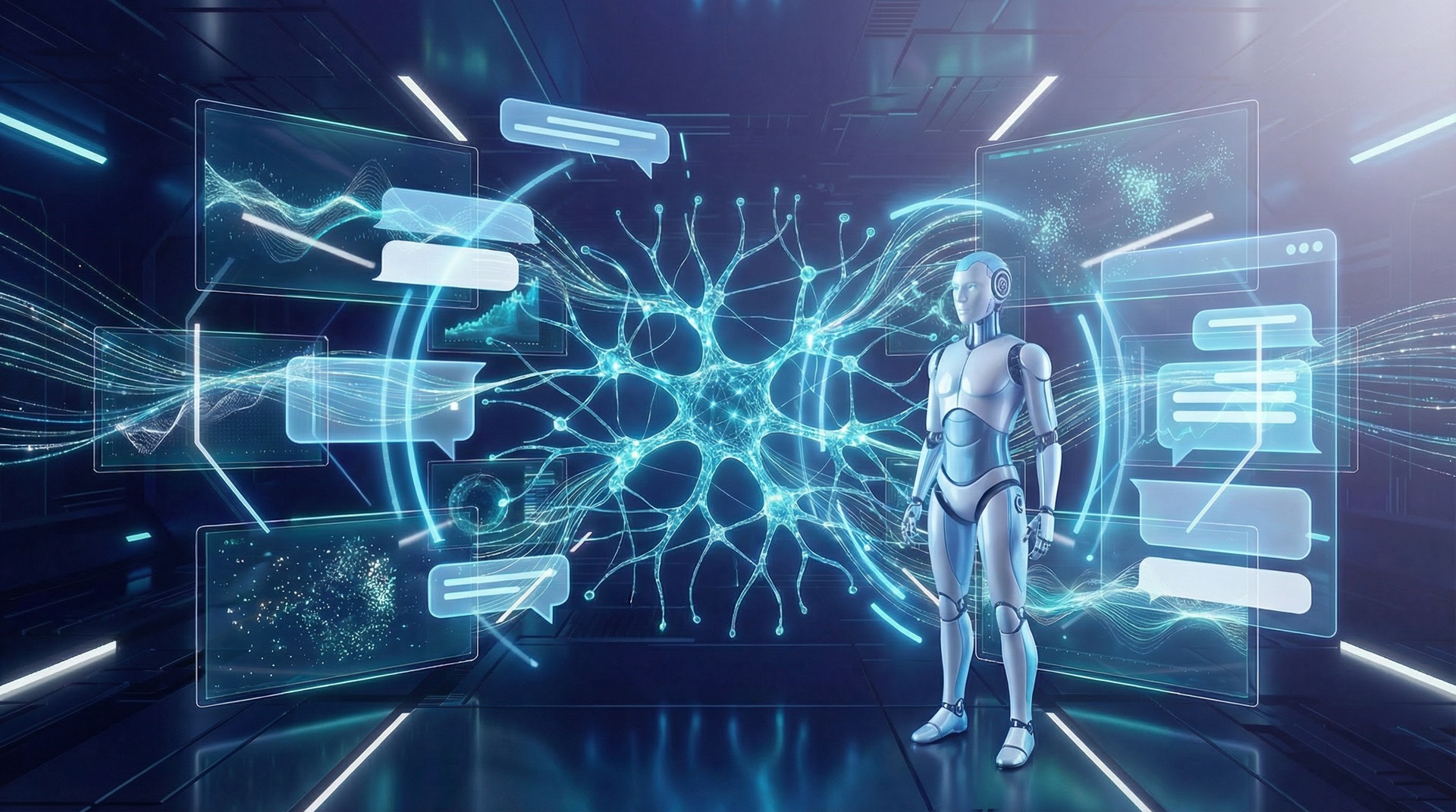
4. AI-Powered Personalization
Artificial Intelligence (AI) is transforming web design by enabling personalized experiences for visitors.
Applications:
- Dynamic content based on user behavior
- Personalized product recommendations for e-commerce
- AI chatbots for instant customer support
Impact on Conversions:
- Improves user satisfaction and engagement
- Increases likelihood of completing purchases or desired actions
- Creates a sense of relevance and tailored experience
5. 3D Graphics and Immersive Visuals
3D graphics and immersive elements are becoming more accessible and popular in modern web design.
Uses:
- Interactive product models for e-commerce
- 3D illustrations to enhance storytelling
- Virtual tours for real estate, hospitality, and event businesses
Benefits:
- Captures user attention and encourages interaction
- Provides a richer, more memorable experience
- Differentiates your website from competitors
6. Mobile-First and Responsive Design
With over half of all web traffic coming from mobile devices, mobile-first design is non-negotiable.
Best Practices:
- Optimize layouts, buttons, and forms for touch interfaces
- Ensure fast loading on all devices
- Test responsiveness across smartphones, tablets, and desktops
Why It Matters:
- Improves user experience and retention
- Boosts SEO rankings since Google prioritizes mobile-friendly sites
- Maximizes conversions across all devices
7. Minimalistic Navigation and Scrolling Experiences
Simplifying navigation helps users find information faster, which increases the likelihood of conversions.
Trends:
- Sticky or hidden menus for cleaner interfaces
- One-page scrolling sites for storytelling and product showcases
- Vertical scrolling with interactive visual elements
Benefits:
- Reduces friction and enhances usability
- Keeps users focused on key messages and CTAs
- Creates a smooth, intuitive browsing experience
8. Voice User Interface (VUI) Integration
Voice search and smart assistants are changing how users interact with websites.
Implementation:
- Voice search options for e-commerce and informational sites
- Accessible voice commands for navigation
- Integration with AI assistants for enhanced interactivity
Impact:
- Makes websites accessible and user-friendly
- Improves engagement for tech-savvy audiences
- Supports SEO for voice search queries
9. Sustainable and Ethical Design
Green web design focuses on reducing digital carbon footprints while improving performance.
Examples:
- Optimizing images and videos for faster load times
- Minimal animations and reduced server load
- Clear privacy policies and ethical UX practices
Benefits:
- Enhances brand reputation among environmentally conscious users
- Improves site speed and SEO performance
- Builds trust through ethical and transparent design practices
10. Interactive Storytelling and Scrollytelling
Scrollytelling allows designers to tell engaging stories as users scroll down a page, blending narrative and visuals.
Techniques:
- Animated content triggered by scroll actions
- Dynamic product demos and case studies
- Infographics that unfold as users navigate
Why It Works:
- Keeps users engaged longer on the site
- Encourages exploration and interaction
- Enhances understanding and memorability of your message
The digital landscape is evolving rapidly, and adopting modern web design trends can dramatically improve user engagement and conversion rates. By integrating minimalistic layouts, AI personalization, 3D graphics, mobile-first approaches, and interactive storytelling, businesses can create websites that are not only visually stunning but also highly effective.
At AdSTARS, we help businesses in Cyprus, the UK, and worldwide design websites that convert visitors into loyal customers. From concept to execution, our team blends creativity, technology, and strategy to deliver web experiences that drive results.
Contact us today to elevate your website design and stay ahead of the competition in 2025.