Agentic Advertising After Google Marketing Live 2026: A Practical Guide
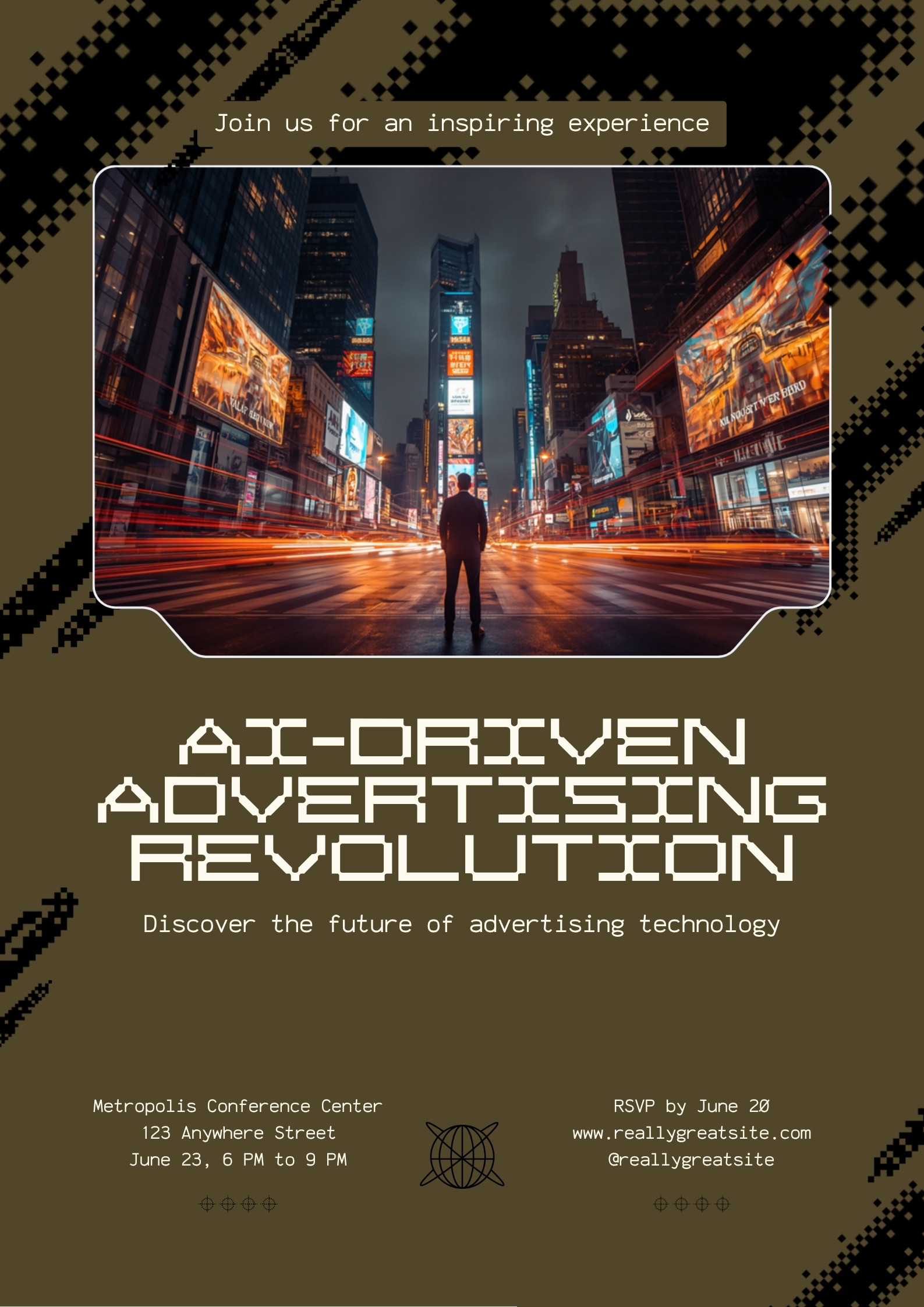
At Google Marketing Live 2026, one message was impossible to miss: AI Mode is the new search, and agentic advertising is the new way to run campaigns on it. Semi-autonomous systems now handle more of the planning, drafting, testing and bidding that media buyers once did by hand. The opportunity is real, and so is the need for new guardrails.
What agentic actually means for advertisers
Agentic advertising hands routine campaign logic to AI: expanding targeting, generating creative variations and adjusting bids in real time. New formats built for AI Mode, including conversational answer-style ads and AI-powered shopping units, aim to meet users at the exact moment of intent. The pitch from Google is simple: the best ads are just good answers.
The AI Max question
AI Max promises better ad ranking and more presence inside AI Overviews and AI Mode. But automation that expands your reach can also send irrelevant traffic if left unchecked. The controls to watch most closely are Final URL expansion and keyword matching: define clear guardrails so the system amplifies your intent rather than guessing at it.
Keeping humans in the driver's seat
- Feed clean first-party data. Agentic systems are only as good as the signals you give them.
- Set explicit brand-safety and URL rules. Constrain where automation can take your spend.
- Verify incrementality. Confirm automation moves real outcomes, not just reshuffled credit.
- Protect the brand voice. Review AI-generated creative before it scales.
The takeaway
Agentic advertising rewards teams that treat it as infrastructure with strong guardrails, not a set-and-forget button. For verticals like real estate and gaming, where audiences and compliance rules are specific, that control is everything. AdSTARS runs agentic campaigns with human judgment at every checkpoint. Let's pressure-test your 2026 paid search setup.