On 16 November the FBI published a FLASH alert about Gootloader, a malware operation that used hacked WordPress sites and search engine optimisation to reach its victims. According to the alert, numbered CC-111626-MW and coordinated with the US cybersecurity agency CISA, the FBI had identified more than 1,000 infected WordPress sites and 216 domains controlled by the Gootloader administrator as of October 2026, activity that led to more than $28 million in ransomware payments.
The alert is a security document, but marketers should read it closely. The techniques it describes are the everyday tools of search marketing, and one of its ten recommended controls asks site owners to watch Google Search Console for signs of compromise.
How the scheme worked
The FBI describes Gootloader as an initial-access framework rather than ransomware itself: it opens the door for others. Its search strategy will be familiar to anyone who has planned content. The operators chose search phrases with low competition, such as a jurisdiction-specific contract clause, so that a modest page with a few links could reach the first page. Their targets were legal professionals: practising attorneys, in-house counsel, law firm partners, legal operations staff and the people who buy legal technology.
- Find WordPress sites. The administrator scanned for the XML-RPC endpoint, a standard WordPress interface often targeted for password-guessing.
- Break in. Stolen credentials gave access to vulnerable plugins and themes, injected posts, REST routes and modified JavaScript.
- Assign roles. Compromised sites served as lure pages, redirectors, traffic filters or relays.
- Rank the lures. Hidden keyword links and arranged backlinks pushed the lure pages up, so they appeared next to legitimate resources.
- Filter visitors. A traffic distribution system decided, by country, referrer, cookie or IP address, who saw the malicious content.
- Deliver the payload, which then handed access to ransomware operators.
The filtering step explains why site owners often miss an infection. A visitor from the wrong country, or one arriving the wrong way, sees a normal page. The alert lists other WordPress campaigns that go further: one skips visitors with administrator cookies, so a logged-in owner checking the site would see nothing wrong at all.
What a compromised site looks like in search data
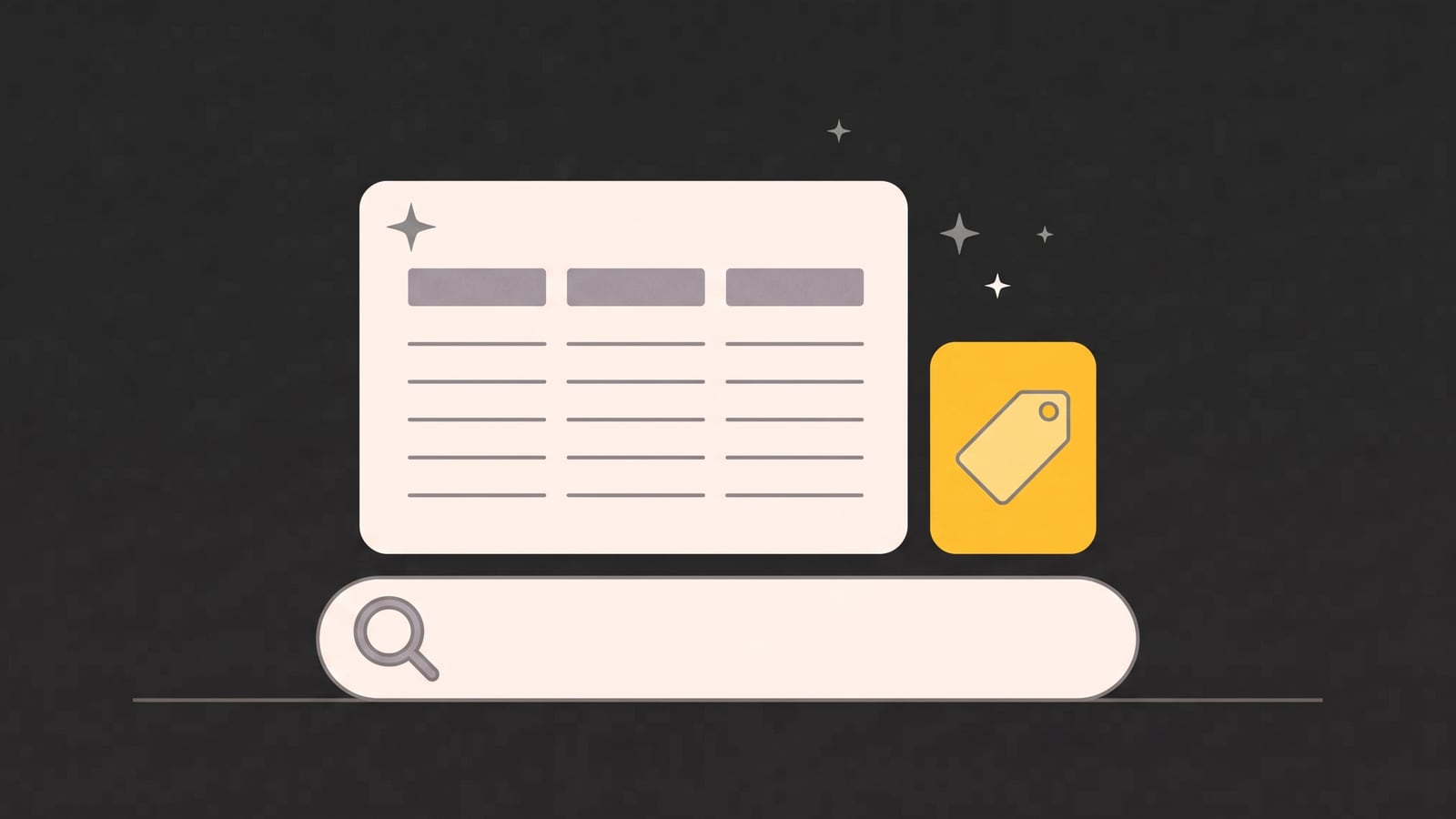
The FBI's table of WordPress protections has ten rows. Nine cover patching, access, PHP, firewalls, file integrity and logging. One is about search, and it names the tool marketers open every week. It asks site owners to review Search Console and other webmaster tools for unrelated legal or business queries, sudden new indexed pages, manual actions and security warnings.
| Signal | Where to look | Why it matters |
|---|---|---|
| Queries unrelated to your business, especially legal or financial ones | Search Console, Performance report, Queries | Injected pages rank for phrases you never targeted |
| A sudden jump in indexed pages | Search Console, Indexing, Pages | Lures are usually published as new, dated posts |
| Manual actions | Search Console, Security and manual actions | Google staff may have spotted spam before you did |
| Security issues warnings | Search Console, Security issues | Google flags hacked content and harmful downloads here |
| URLs in the date-based format of posts you never wrote | Indexed pages and sitemaps | The alert shows injected links that mimic ordinary WordPress post paths |
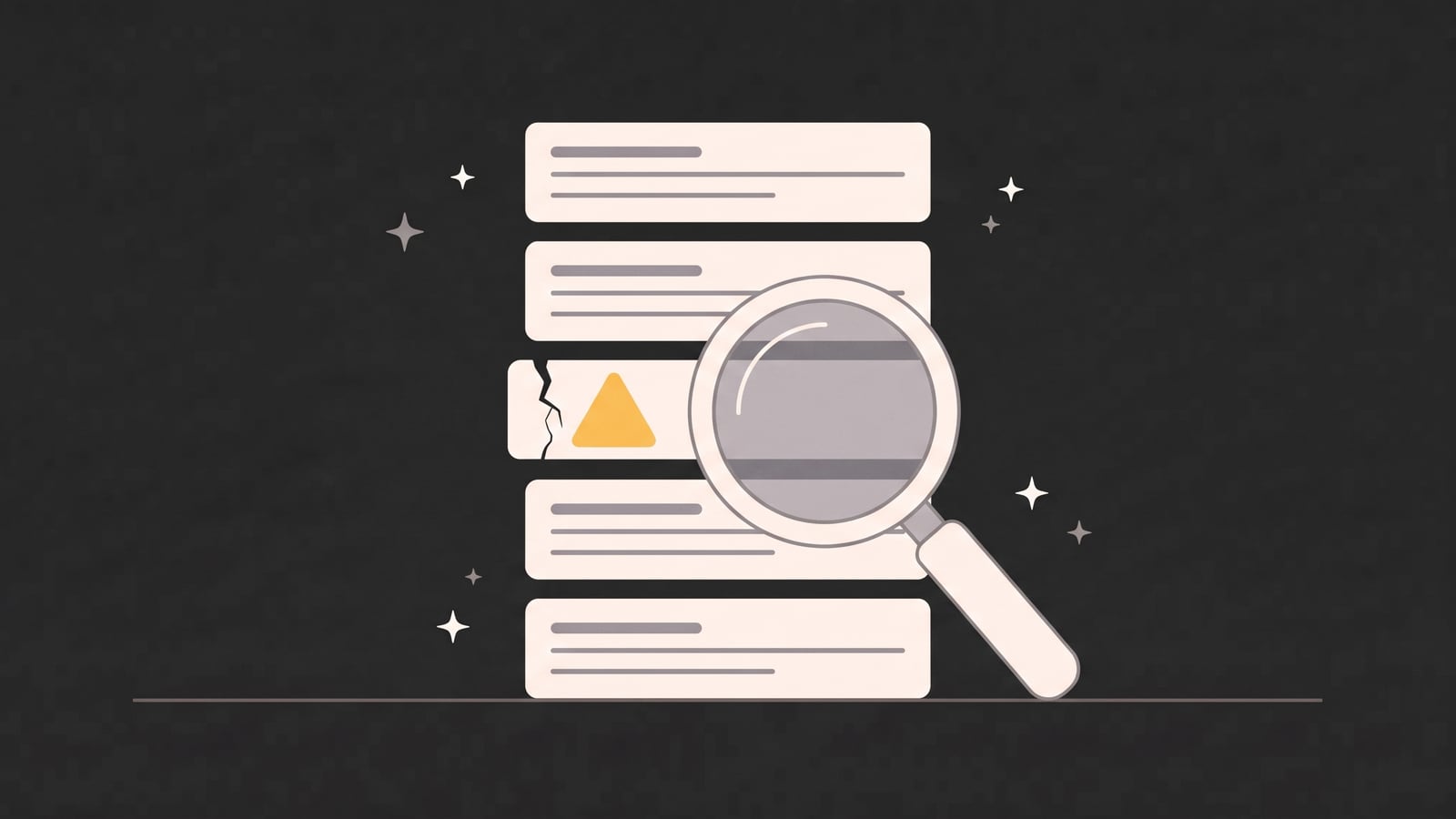
None of these signals proves an infection on its own. A site can gain unexpected queries for innocent reasons. But the pattern the FBI describes, a small business site suddenly appearing for contract clauses or inheritance tax, with new pages nobody remembers creating, is exactly the moment to stop and investigate.
The WordPress controls the FBI recommends
- Patch automatically. Update WordPress core and trusted plugins and themes where feasible.
- Reduce the attack surface. Remove unused plugins, themes, accounts and staging sites, and keep a complete software inventory.
- Protect administration. Use phishing-resistant multi-factor authentication for administrators and hosting access.
- Restrict XML-RPC. Disable xmlrpc.php if unused; otherwise rate-limit it and allow only the methods you need.
- Constrain PHP. Run PHP as a non-privileged account and block PHP execution in the uploads folder.
- Use least privilege. Separate sites and hosting accounts, and protect wp-config.php.
- Deploy a web application firewall with login throttling and alerts for new REST endpoints.
- Monitor integrity. Compare core files with official checksums and alert on unexpected plugin, theme, must-use plugin, JavaScript and .htaccess changes.
- Monitor search abuse, as above.
- Keep logs off the web server, so an attacker who controls the site cannot erase the evidence.
If you find something
The alert's response steps for WordPress are short. Restrict public access while preserving a forensic copy of the site. Reset every credential, from the hosting panel to the CDN, using a clean device. Restore from a clean backup only after removing the vulnerability or stolen credential that let the attackers in. Restoring first and fixing later simply reopens the door.
From a search point of view, two more steps follow once the site is clean: remove the injected URLs so they return a 404 or 410, and use the Security issues report in Search Console to request a review. Ranking for your real queries usually recovers once the spam pages are gone, but it is not instant.
Why marketers should own part of this
In many small and mid-sized businesses, the marketing team or its agency has the WordPress login, installs the plugins and reads Search Console. That makes marketing the team most likely to see the first symptoms, and sometimes the team whose credentials are stolen. The FBI's emphasis on compromised credentials is a reminder that a shared admin password sitting in an old email thread is a security risk, not a convenience.
A practical split works well. IT or the host handles patching, firewalls and logs. Marketing adds a monthly ten-minute check of Search Console queries, indexed pages and security issues, and keeps the list of who has admin access short and current. If your site needs a security and maintenance review, our web development team can audit plugins, access and hosting configuration against the FBI's list.
Sources
- https://www.ic3.gov/CSA/2026/261116.pdf
- https://ppc.land/fbi-ties-seo-poisoning-on-hacked-wordpress-sites-to-28-million-in-ransoms/
- https://seroundtable.com/fbi-says-seo-poisoning-led-to-28-million-in-ransomware-payments-42546.html